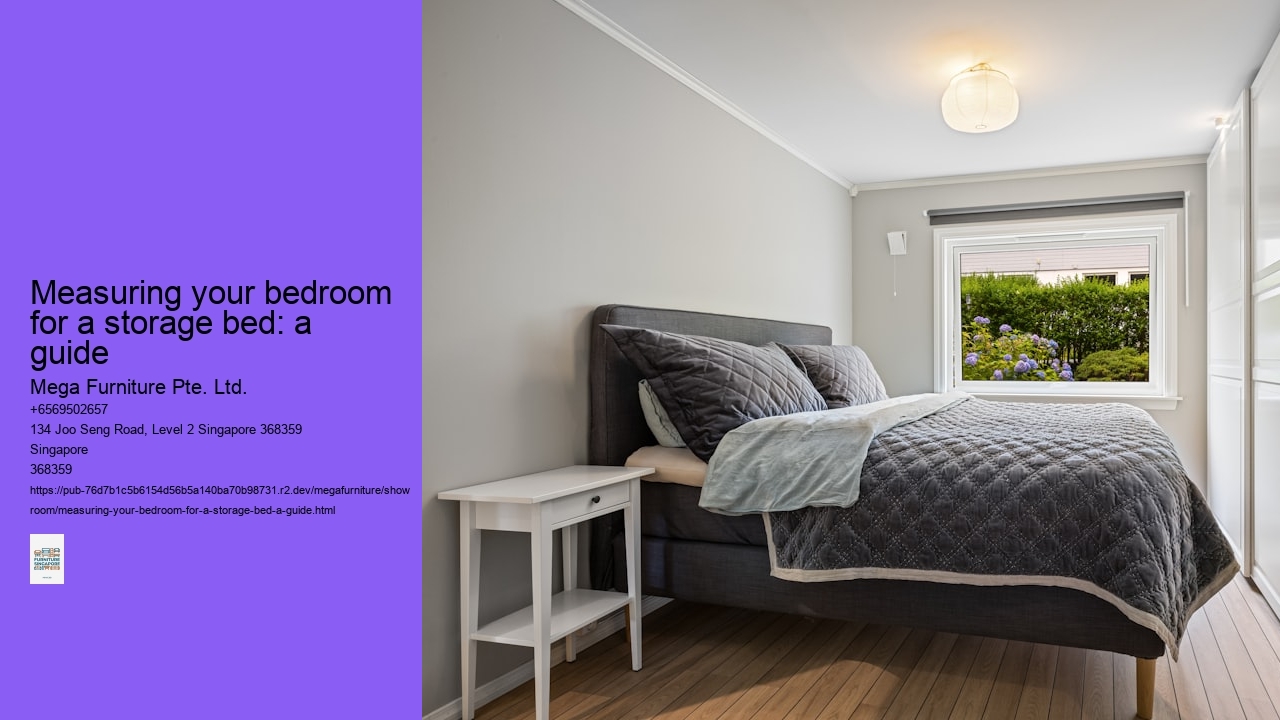
You cannot just buy a bed online without checking the route first. That is how you end up with a storage frame stuck in the hallway. Contractors know the drill, but online retailers don't care. The lift door opening is usually 90cm wide. A storage bed frame might fit the room but not the door. It is a common trap for new homeowners who look at the bed and ignore the path. Most people buy the frame first, but measure the corridor last.
4-room BTO corridors restrict bed delivery significantly. Some blocks have tight turns that kill the delivery. Since a storage base is built to an exact size, getting the mattress right matters, so the bed and mattress sizes guide is worth reading first — it lays out what Single (91cm), Super Single (107cm), Queen (152cm), and King (around 183cm) measure here, all at 190cm length. On a lift-up base a balanced, medium-height mattress raises and holds most easily. Confirm the dimensions before buying either piece, since the storage base can't be trimmed to fit.. Measure the diagonal of the bedroom doorway against width of the storage bed frame. This diagonal trick works because a long frame can slide in if you angle it right, bypassing the width limit. For the full rundown, the storage bed frame guide lays out the main types side by side — drawer storage versus hydraulic gas-lift — across every size from single to king. It walks through which suits which room and lifestyle, and how the storage capacity scales with bed size. The useful takeaway: there's no single best type, only the one that fits how often you'll reach under the bed and how much overhead or floor clearance your room actually has.. Standard internal bedroom doors are usually the tightest point, around 91.5cm wide. Leave a 2–5cm buffer for skirting. Skirting eats 1–2cm usually, so you need space.

Lift sizes vary widely depending on where you live. Tampines or Eunos show the difference clearly between old and new blocks. The space under the bed is the largest piece of unused storage in most Singapore flats, and a storage bed frame is what puts it to work. Instead of buying a separate chest or cabinet, you get sturdy mattress support and hidden storage in one footprint — room for spare bedding, luggage, seasonal clothes, and the things a compact HDB or condo bedroom has nowhere else to keep. There are two main mechanisms, and the right one depends on the room: drawers, built into the sides or foot of the base, for easy daily access; or a hydraulic lift-up base that raises the whole platform for maximum volume. Drawers need floor clearance to pull out; lift-up needs overhead clearance to swing open. Either way, a solid-wood or plywood base outlasts particleboard, which loosens under the weight of stored items over the years.. Check with developer regarding corridor dimensions before ordering anything online, especially for new launches. Don't assume all flats are the same. A flexible mattress can bend into a lift a rigid frame can't. This one crucial leh.
You see the bed frame in the showroom and assume it fits the layout. The reality is different inside a 12 sqm HDB common bedroom. For the maximum-volume option, the guide to a hydraulic storage bed in Singapore covers the gas-lift mechanism that raises the entire mattress platform to reveal one large cavity beneath — ideal for bulky items like duvets, suitcases, and boxes that won't fit in drawers. The lift makes access easy without crouching. The honest note from the guide itself: a hydraulic system needs slightly more maintenance attention than a basic drawer setup, so factor that in.. Space is tight. Pull-out drawers demand 600mm of empty floor space beside the mattress to open fully. That's not just a measurement; it's a physical barrier. If you place a wardrobe against that wall, the drawer becomes useless. A Queen bed already takes up roughly 152cm of width, leaving little room for error in a standard master layout where the footprint of the bed dominates the entire floor plan. You measure the room once, buy the frame already, and you'll regret it later.
Ventilation matters more than storage volume in humid climates. Mould grows. Sticking the bed flush against the wall traps moisture underneath the base. This creates a breeding ground for mould in the monsoon season. You'll need space to clean or sweep debris that accumulates over time. Without that gap, a vacuum cleaner nozzle can't reach the floor. If ventilation fails, the moisture trapped underneath the base will promote mould growth that standard cleaning cannot fix in time, regardless of how often you wipe down the visible surfaces.
Compact flats versus landed homes dictate the strategy here. A landed master suite might swallow the clearance without issue. In a 3-room BTO, every centimetre counts towards walking space — so you must prioritise access over the illusion of extra storage capacity that you can never actually use. Sometimes a plain low platform frame is the better call. It sacrifices the 500 litres of hidden volume for actual movement around the room. Drawers win. This is the one exception where less storage means more value.
" width="100%" height="480">Measuring your bedroom for a storage bed: a guideHydraulic gas struts provide the necessary lift for storage access. Measure the full vertical travel distance before buying. Most mechanisms extend around fifty centimetres upwards from the frame. This movement determines how much room you actually get underneath. Check the manual to confirm the exact stroke length. It really matters in tight spaces.
Master bedrooms in older HDB blocks may have lower ceiling heights. Some units sit below the standard three-metre mark for safety. You'll need to account for this drop when planning your furniture layout. A standard bed frame might hit the plasterboard easily. For everyday access, a drawer bed frame is the more straightforward storage option — two to four drawers built into the sides or foot of the base, ideal for items you reach for regularly like extra bedding, pillows, or seasonal clothing. No lifting involved, which suits a room used daily and younger users who'd struggle with a lift-up base. The trade-off is that drawers need floor space beside or in front of the bed to pull fully out, so check the clearance before buying.. Verify the actual height from floor to beam.
Checking clearance for overhead lights during the lifting process is crucial. Many fixtures hang lower than the main ceiling surface. A pendant light could strike the mattress base directly. Ensure there is enough gap for the mechanism to operate smoothly. Don't ignore the switchgear on the wall too.
Safety dictates that the mattress base must not hit ceiling fixtures when fully open. This prevents damage to expensive lighting or the bed itself. A collision might crack the glass shade instantly. You want a smooth glide without any obstruction. Keep the area clear before testing the lift.
Older residential blocks often lack the headroom newer condos possess. You'll find yourself struggling with the clearance gap. It is better to measure twice before ordering online. A simple tape measure solves most of these headaches. Don't assume every room is identical in size.
A Queen frame measuring 152x190cm fits most HDB and BTO master bedrooms comfortably without crowding the available space. Homeowners must leave around 60cm clearance on the exit side for easy movement and daily access. Standard length of 190cm accommodates taller adults without feeling cramped inside the room for sleeping comfortably.
HDB lift door openings act as the real limit at roughly 90cm wide by 209cm tall maximum. Buyers should leave a 2 to 5cm buffer around the storage bed frame dimensions to prevent getting stuck during delivery. Corridor turns or internal doorway widths often dictate what actually fits inside the flat properly.
Most buyers trust the website specs without touching the frame. That is where the trap lies. You need to sit on the mattress at the Megafurniture Joo Seng or Tampines showroom. The hydraulic lift resistance feels different on paper. Online descriptions do not convey noise levels during operation. A 12 sqm HDB common bedroom leaves little room for error. Storage bed needs lift.
Test the mechanism repeatedly to feel the weight carefully. Somnuz mattress firmness levels vary, so lying down matters. Fabric weave texture needs finger inspection. Most storage frames sell as a queen size bed — at 152 by 190cm it's the default master-bedroom size, and the one where the storage genuinely replaces a chest of drawers' worth of space. Capacity scales with size: a queen or king storage base holds noticeably more, and roughly twice the drawers, of a single or super single. Leave around 60cm clearance on the side you climb out of, plus room above or beside for the chosen mechanism to open.. Tight weaves resist dust better than loose ones. Humidity often around 80%+ affects materials differently. Want firmness? Somnuz has it.
You cannot rely on a 3D render. Go to the shop. Check the lift mechanism.
Showroom staff hear the same question daily. For a larger master bedroom, a king size bed with storage offers the biggest cavity of any frame — useful when the room is big enough to give up its wardrobe space. At around 182 to 183cm wide it suits a room of roughly 3.5 by 3m and up. A king lift-up base in particular swallows bulky, infrequently-used items in one go. As with any king, measure the room and the doorway first, since a storage frame arrives as a substantial, rigid piece.. They want to know if a king size mattress fits the frame. That is the first thing buyers measure. The mattress profile changes everything — too thick and you can't close the lid. The clearance drops when you swap the standard base for something thicker. Most master bedrooms take a king with careful layout. You need to check the gas struts first because the hydraulic lift has limits. A 182cm width is standard king. A 152cm queen is popular. Buyers ask, "Can I fit a king size mattress inside this frame."
Humidity hits harder than people expect. Got storage or not — the wood swell leh. Natural timber moves with the weather. Five years later, drawers stick. You ask how the humidity affects wooden drawers over a period. It does. The moisture gets trapped inside. Solid wood handles it better than particleboard. SG humidity often around 80%+. Untreated surfaces grow mould. Buyers ask, "How humidity affects wooden drawers over a five year period."
This is where the trade-off lives. Volume means access. If you upgrade to higher mattress profile, storage volume shrinks. You get less space for luggage. Most HDB flats don't have the room to lose floor space. Look at the frame first — don't just count the litres. Buyers ask, "What happens to storage volume if you upgrade to higher mattress profile."
Showroom floors are perfectly flat. Your bedroom floor might not be. Measure the actual room yourself before you commit cash. A Queen bed is 152 by 190cm, but that fits only if the lift door opens wide enough. Most HDB lift doors are around 90cm wide. The frame might slide in, but the mattress won't turn the corner. You need to verify the clearance on the site, not the brochure. Leave a 2–5cm buffer; skirting eats 1–2cm. It is easy to get the dimensions wrong. A 4-room BTO common bedroom is around 12 sqm, so a King feels cramped.
Condo lifts are tighter than public housing sometimes. The turning radius kills delivery. You think the store handles it, but they push the surcharge onto you later. Check the management corporation rules first. Some blocks require a hoist for anything over 200kg. Many storage beds are really a divan bed frame — an upholstered base that comes with either pull-out drawers or an ottoman-style lift-up, in a streamlined fabric finish that hides the storage cleanly. The divan is the tidiest-looking way to do storage, with no exposed structure. Larger divans carry more, but even a single-size base fits a surprising amount. For buyers who want the soft, finished look plus hidden storage, the divan is the natural overlap.. That includes a loaded storage bed. Don't sign off until the delivery team confirms the route. Got the written plan or not? If they say yes, write it down because internal bedroom doors are usually the tightest. Want a king bed? Cannot, this is why lor.
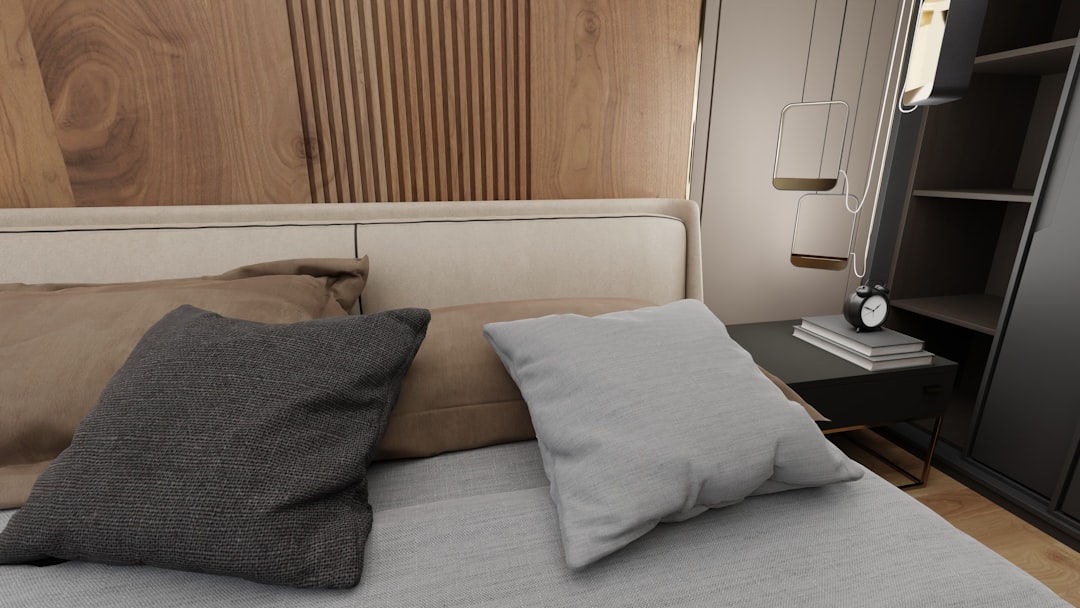
Warranty terms hide the real deal. Gas struts fail first, then drawer runners grind. Ask for the specific cycle count guarantee. Online orders often have stricter return rules than showroom purchases. That is the trap. You want the paperwork in hand before the deposit leaves your bank account. Don't pay until you know the mechanism is covered. Rotating cushions evens wear. New foam can off-gas a faint smell for a week or two. Warranty usually covers frame and defects, not fabric wear.
West sun hits a 4-room BTO master bedroom hard around 5pm. That glare turns a quiet night into a heat trap. Storage bed frame shouldn't block light or heat absorption completely, but placement dictates the outcome. Contractors know the sun fades finishes faster than humidity does. You get the worst wear on the side facing the window. Most units sit too close to the glass leh. It creates a hot zone above the mattress.
Material endurance is the real metric against UV exposure over three to five years. Rubberwood or performance velvet resisting fading over time is non-negotiable here. Cheap veneer peels one under direct afternoon rays. A 12 sqm room gets hotter inside the storage compartment itself. That trapped heat expands the frame joints. Hydraulic lift mechanisms need the space to breathe—or the gas struts fail early. Drawers slide harder when the wood swells and you see the damage before the warranty expires. Solid wood handles the thermal shift better.
Imagine a unit sitting right under the window. The side panel feels warm just by standing near it. That heat travels into the drawers. If the room has heavy curtains, plain wood works. Otherwise, performance fabrics hold better. You won't find a warranty covering sun damage anyway. This is the one case where a low platform frame beats the storage option. Unless you want to replace the frame every few years.
Storage matters most in the rooms that have least of it, which is why a single bed with storage is such a practical pick for a child's, guest, or helper's room — at 91 by 190cm it keeps the most floor free while tucking storage into the base. A single storage frame quietly absorbs the bedding and clutter a small room generates without adding a separate cabinet. Drawers are the easier, safer mechanism for a child to use day to day than a lift-up base..They tell you the room size. They don't tell you the bed eats the wall. 3-room BTO master bedrooms usually land around 10 sqm flat. That’s tight for a Queen frame plus side drawers. ID contractors always push the hydraulic lift-up option here. You won’t find room for side access if the bed touches the wall. A storage base takes more weight and use than a plain frame, so build matters, and a wooden bed frame in solid or quality engineered wood keeps the structure rigid and the drawer runners aligned over years. Wood handles the humidity well when properly treated, and a sturdy timber base is less likely to sag at the hinge than particleboard. For a storage bed you'll open often, the frame material is worth paying a little more for.. Storage capacity matters, but flow matters more. Hydraulic lift-up holds more but needs overhead clearance, drawers need floor space beside the bed. Most master bedrooms (~3.5x3m) take a King with careful layout. Four-room resale units often stretch to 12 sqm total area. Suddenly pull-out drawers become viable without blocking the ensuite door, leh. Traffic flow from the balcony to the bathroom dictates where the headboard faces. A misaligned frame turns a walkway into an obstacle course. Leave 60cm clearance on the exit side, 30cm other sides. You’ll need the space to walk past the bed frame comfortably. Measure the walkway before you order. Bed frame dimensions eat into that space quickly. A standard Queen is 152 by 190cm, but the mechanism adds bulk. You’ll regret it if you can’t open the drawers. Want a king bed? Cannot. King in a room under ~3x2.5m feels cramped.